
The year 2024 is etched in uzbek sports by historical accomplishments. At the Paris olympic games, Uzbekistan's sports delegation recorded its best ever performance, securing 13th position in the world ranking overall.
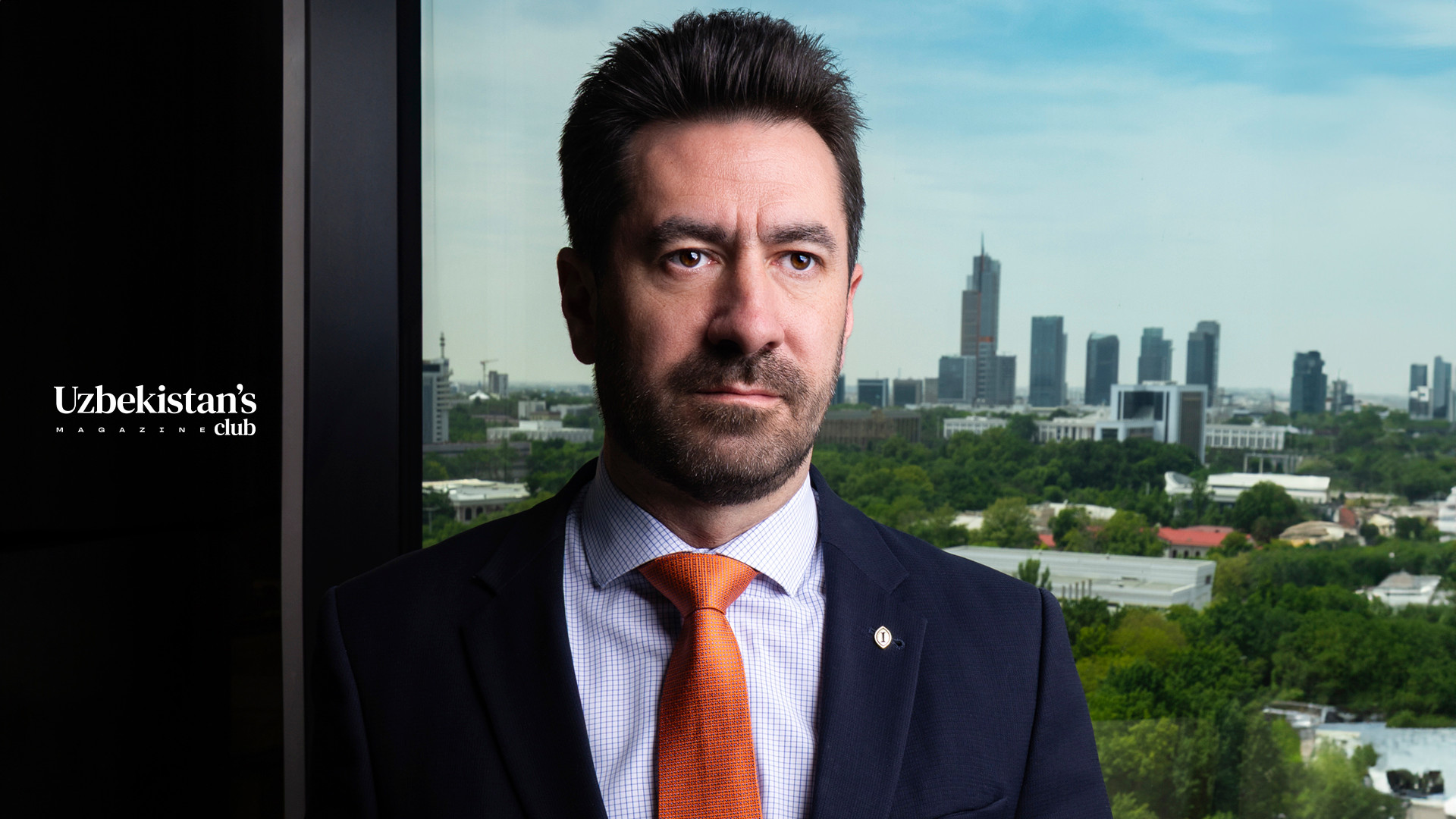
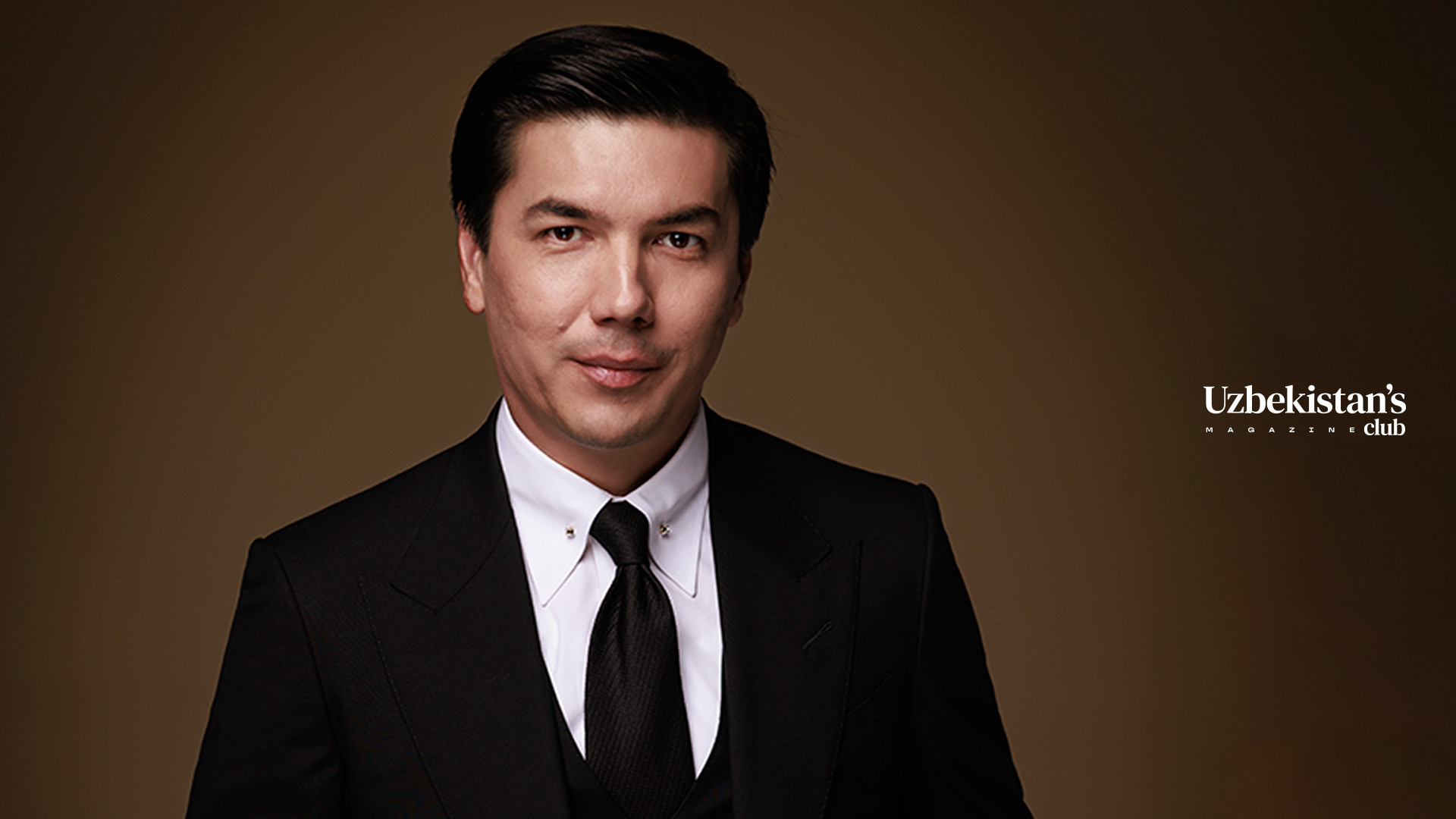
Without any doubt, country’s sports infrastructure and the favorable conditions provided have played a crucial role in this success. To gain insight into the present and future of uzbek sports, we engaged in a conversation with the secretary general of the National Olympic Committee, Oybek Kasimov
– WHAT CONCLUSIONS HAVE YOU DRAWN FROM THE RESULTS OF THE PARIS 2024 SUMMER OLYMPIC GAMES?
– The Paris 2024 Summer Olympic Games will be remembered as a historic milestone for Uzbekistan. Our delegation earned an impressive total of 8 gold, 2 silver, and 3 bronze medals in fiercely contested competitions with top athletes from 206 countries. With the final results, Uzbekistan ranked 13th place globally in the overall standings, fourth in Asia, and among the countries of the CIS, Central Asia, the Organization of Islamic Cooperation, and the Turkic States Organization, achieved the first place. Our female athletes had last reached the podium during the Summer Olympic Games in Beijing-2008, when Ekaterina Khilko won a bronze medal in the trampoline event. In Paris, judoka Diyora Keldiyorova became the first Uzbekistani female athlete to be crowned champion of the Summer Olympic Games due to her victory in Paris. Additionally, taekwondo athlete Svetlana Osipova won a silver medal, while three of our athletes earned the prestigious title of two-time Olympic champions. Our national teams in judo, boxing, and taekwondo recorded their best-ever performances in Olympic history.
With the support of our government, best conditions have been provided for our national teams throughout the preparations for Paris 2024. As a result, we have secured an Olympic qualification in team sports for the first time in football. Following the Olympics, President Shavkat Mirziyoyev received the members of our delegation and outlined the tasks for the new Olympic cycle. Currently, the Ministry of Sports, alongside athletic federations and associations, has initiated work to implement these assignments. Achievements are on their way; yet this Olympic Games has also highlighted areas that need strengthening and further development. In particular, refining training methodologies, developing modern sports infrastructure, enhancing the qualifications of coaches, and promoting sports among the youth are among the priorities we need to address.
– IN WHAT WAYS IS THE STATE'S PARTICIPATION MANIFESTED DURING THE THOROUGH PREPARATION PROCESS FOR THE OLYMPIC GAMES?
– Our government strives to provide all necessary conditions to ensure our athletes can compete honorably in major multi-sport events. The core aspects of preparation include financial support for federations, selection of talented athletes, systematic Olympic level training, recruitment of qualified specialists, and the organization of continuous training camps. The Presidential Decree issued on November 5, 2021, titled “On the Comprehensive Preparation of Uzbek Athletes for the 33rd Summer Olympics and 27th Paralympic Games in Paris (France) in 2024” served as a framework for this endeavor.
It is also noteworthy that we possess a distinctive system for incentivizing athletes. For example, during the previous Olympic cycle, not only were the Paris 2024 medalists rewarded, but also the license holders and their coaches. Most importantly, this system was implemented for the third Olympic cycle.
– WHAT ARE THE PRIMARY SOURCES OF SPORTS FUNDING IN OUR COUNTRY?
– The Decree, mentioned above set out to define the medium and long-term prospects for developing sports and educational institutions, establishing necessary conditions for nurturing a reserve of Olympic and Paralympic athletes. Under this decree, a program was approved to support the development of sports and educational institutions until 2025.
In addition to state budget funding, sports financing is also supported by sponsoring organizations. Within this system, funds are distributed to sports federations and associations via the Ministry of Sports and the National Olympic Committee. Furthermore, the federations and associations themselves often have their own sponsors who play a vital role in further developing of certain sports.
The state places a significant emphasis not only on professional, but on mass sports also. Events such as the “Five Initiatives Olympics” competitions among youth, physical fitness assessments for the general population, and mass competitions like the “Government Cup” for employees are all state-funded. This focus on mass sports development is also critical for identifying talented youth for elite sports in the future.
– WHAT MECHANISMS ARE IN PLACE FOR MONITORING TARGETED AND TRANSPARENT EXPENDITURES OF FUNDS?
– In this regard, a dedicated system is in place for collaboration with the National Olympic Committee, the Ministry of Sports, Republican High Schools of Sports Excellence for specific disciplines, and the respective federation. The funds allocated to the national teams are based on the needs and requests of the federations and the recommendations of experts. This process is thoroughly reviewed multiple times by the aforementioned organizations. Ultimately, a decision is made collectively based on consensus-driven outcomes.
Additionally, the National Olympic Committee regularly publishes quarterly reports on its website. In addition, the financial activities are constantly verified by independent auditing firms.
Interview by Azamat MURODOV.